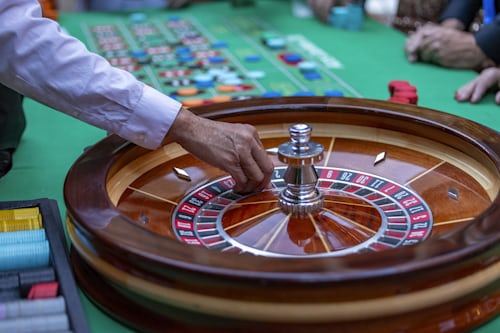
The role of luck versus skill in casino games
Understanding Luck in Casino Games
Luck plays a central role in many casino games, often determining outcomes that are beyond a player’s control. In games such as slot machines and roulette, the results are primarily random, requiring no skill beyond the ability to place a bet. The unpredictability of these games creates a thrill for players, which is part of their allure. For instance, a spin of the slots can lead to a life-changing jackpot purely by chance, illustrating how luck can dramatically impact a player’s experience and financial outcome. Many enthusiasts turn to resources like https://banwellweddings.co.uk/ to share their stories and strategies. The excitement of hitting a winning combination keeps players coming back for more, even if they understand the odds are stacked against them.

Moreover, the concept of luck encompasses more than just random outcomes. It often refers to the sheer possibility of winning, regardless of the strategy employed. Players may find themselves on a winning streak due to favorable odds or fortunate events, which can enhance their enjoyment and encourage them to keep playing. This phenomenon is sometimes described as being “on a roll,” reflecting the belief that some players are particularly favored by fortune. Such scenarios reinforce the idea that luck is an integral part of the gambling experience, allowing players to dream of the big win that could change their lives.
However, luck can be a double-edged sword. While it can lead to significant wins, it can also result in substantial losses, as players may continue risking their money in hopes of repeating a fortunate outcome. This often leads to the misconception that luck will always favor them. Understanding the inherent randomness involved in certain games, players must approach these scenarios cautiously to avoid financial pitfalls associated with relying solely on luck. It is essential for players to strike a balance, recognizing that while luck can be a thrilling factor in their gaming experience, it should not be the sole basis of their gambling strategy.
The Role of Skill in Casino Games
Skill holds significant importance in various casino games, differentiating them from pure games of chance. Games like poker, blackjack, and baccarat require players to utilize strategic thinking, probability assessment, and psychological insight into opponents’ behaviors. For instance, in poker, a player’s ability to read opponents and determine when to bluff can greatly influence the outcome, showcasing the importance of skill over luck in these scenarios. The best players often spend years honing their skills, studying strategies, and learning to manage the psychological aspects of the game, which can create a substantial edge over less experienced players.
Additionally, mastering the rules and employing effective strategies can improve a player’s chances of winning in skill-based games. In blackjack, understanding when to hit, stand, or double down based on the dealer’s visible card can lead to optimal decisions that exploit the inherent odds of the game. Skilled players often use strategies such as card counting to minimize the house edge, further emphasizing how expertise can tip the scales in their favor. This deep knowledge of the game’s mechanics can be the difference between winning and losing, demonstrating that skill can significantly enhance one’s gaming experience.
Furthermore, skill also involves emotional control and discipline. Players who can manage their emotions and avoid impulsive decisions tend to fare better in high-pressure situations. This aspect of skill cannot be underestimated, as it often separates successful players from those who fail to capitalize on their knowledge. By understanding and engaging with the skill component, players can approach casino games more strategically, leading to a more enjoyable and potentially profitable experience. The ability to stay calm under pressure and make rational decisions can significantly impact the outcomes in these games.
The Balance Between Luck and Skill
The dynamic between luck and skill in casino games creates an intriguing environment for participants. While some games rely heavily on chance, others blend elements of both, making it essential for players to recognize the distinctions. In games like craps, for example, the roll of the dice is entirely luck-driven, while the betting strategies employed can introduce a level of skill that enhances a player’s overall experience. This interplay encourages players to think critically about their approach and adjust their strategies based on the nature of the game they are playing.
This balance can also influence the types of players attracted to different games. Casual players often prefer luck-based games for their simplicity and immediate gratification, while seasoned gamblers may gravitate towards strategy-heavy games where skill can significantly affect results. This distinction highlights the diverse motivations behind why individuals engage in casino gaming, as well as how they perceive the interplay of chance and skill. Understanding this balance can aid players in choosing games that align with their personal preferences and skill levels.
Additionally, understanding this balance can aid in responsible gambling practices, as players can better assess their likelihood of winning based on the game type they choose to play. Recognizing the limits of luck can encourage players to maintain a level-headed approach, knowing when to bet and when to walk away. Ultimately, this awareness enhances the overall gaming experience while promoting a healthier relationship with gambling. By appreciating both luck and skill, players can create a more fulfilling and mindful approach to their gaming endeavors.
The Impact of House Edge
The house edge is a critical factor in understanding the role of luck and skill in casino games. It represents the built-in advantage that the casino has over players, ensuring profitability over the long term. This mathematical principle varies between games, with some offering a lower house edge for skill-based games like blackjack, while others, like slots, have a significantly higher edge, making them primarily reliant on luck. Understanding the house edge helps players make more informed decisions about which games to play and how to manage their bankrolls effectively.
As players engage with games, acknowledging the house edge can influence their strategies and expectations. Players who understand that certain games are designed to favor the house may adjust their betting sizes or duration of play, thereby optimizing their potential for winning. By choosing games with a lower house edge, players can maximize the effectiveness of their skill while maintaining an awareness of the luck component inherent in the outcomes. This strategic approach can enhance their overall gaming experience and increase the likelihood of a positive outcome.
Furthermore, this understanding can lead to more informed decisions regarding bankroll management. Skilled players often set limits based on the house edge and their individual playing style, enabling a more strategic approach to gambling. By recognizing that luck can fluctuate while skill provides a more stable foundation, players can create a balanced gaming strategy that maximizes their enjoyment and minimizes potential losses. This thoughtful approach to gameplay can help players navigate the nuances of casino gaming with greater confidence and resilience.
The Role of Online Resources in Casino Gaming
In the digital age, online resources play a pivotal role in helping players understand the intricacies of casino games and the balance between luck and skill. Numerous websites offer valuable insights, tutorials, and strategies tailored to different games, allowing players to enhance their knowledge and skills. These resources can guide players in understanding the rules, probabilities, and optimal strategies, empowering them to make informed decisions while gambling.
Moreover, online communities and forums provide platforms for players to share experiences, strategies, and tips. Engaging with fellow enthusiasts can deepen a player’s understanding of the games they enjoy and expose them to new perspectives on the balance of luck and skill. These interactions foster a sense of camaraderie among players, enhancing the overall gaming experience and encouraging responsible gambling practices. By learning from others and sharing insights, players can cultivate a more enriching relationship with casino gaming.
Lastly, reputable websites often emphasize the importance of responsible gambling, offering tools and resources to help players maintain control over their gaming habits. This commitment to player well-being is crucial, as it encourages individuals to approach gaming with a balanced perspective, recognizing the roles of both luck and skill. By tapping into these online resources, players can not only improve their gameplay but also promote a healthier relationship with gambling, making their experiences more enjoyable and sustainable.